Create an encounter people can carry forward
A cultural program has value in the experience itself: hearing original work, seeing differently, exchanging an idea, or spending meaningful time with other people. Its impact can also continue through the relationship a visitor forms with an artist or the confidence a contributor gains in a well-supported setting.
Planning for that value means thinking beyond the announcement. The quality of attention in the room, the preparation of the contributors, and the invitation to return all influence what the program can become.
Give the work enough attention
A program can undermine its own creative proposition through sound, timing, seating, or competing activity. If people are invited to listen, can they hear? If they are invited to discuss, is there time and a structure that allows more than the most confident voices to contribute?
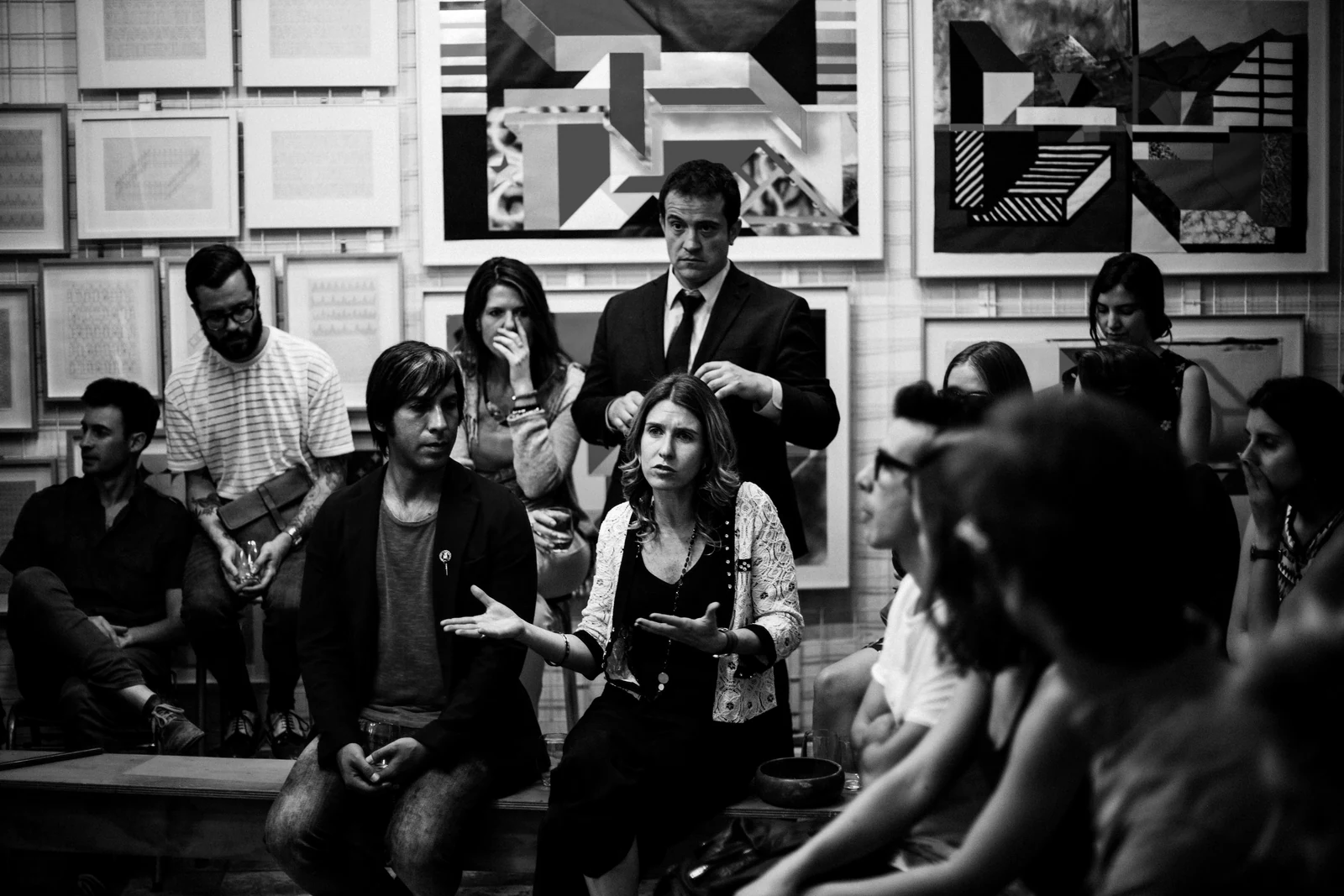
Consider a hypothetical artist conversation held in a busy hospitality space. The same guest list can produce very different experiences depending on the introduction, acoustics, seating, and role of the host. Production choices are part of the cultural experience. They are not merely the machinery around it.
Support the people making the program
Confirm the contributor’s role, preparation, compensation, technical needs, and point of contact. Avoid assuming that a person’s public appearance is the only work being requested. A thoughtful presentation may require research, rehearsal, travel, or adaptation to the setting.
Christopher Durst’s event-production background informs Velaharra’s attention to this relationship between creative ambition and delivery. The practical work matters because it affects what an artist can do and what an audience can encounter. It should be planned with the same seriousness as the announcement and guest list.
Follow the participant’s experience
For a hypothetical artist conversation, map the encounter from invitation to departure. The announcement should help someone understand why the subject might interest them. Arrival should make participation comfortable. The introduction should provide enough context to enter the work, and the discussion should give the artist space to develop an idea.
Consider the moments between formal elements. A clear pause can allow people to reflect. A host can help a question become understandable. A simple way to discover more of the artist's work can extend the experience afterward. These details are part of the program's substance.
Then look from the contributor's position. Preparation, compensation, sound, timing, and a knowledgeable contact influence how well someone can share their work. A strong public experience is supported by a considered working experience behind it.
Plan what happens after the event
A program may end with the audience leaving, but the relationship does not have to. Decide how to gather feedback, share agreed documentation, pay outstanding costs, and discuss a next step with contributors. Do not use follow-up as an excuse to enroll people in communications they did not request.
Measure the project against its purpose. If the aim was exchange, consider what participants found useful and whether there is a reason to reconvene. If the aim was to introduce work, consider whether it reached the intended audience. Describe the evidence honestly rather than treating every positive response as proof of lasting impact.
Choose what deserves to continue
Afterward, ask what participants understood, what contributors valued, and what the team learned about delivery. A thoughtful next edition may preserve the format and change the pacing, improve the room, or develop a question that emerged in discussion.
Continuity can also take the form of a publication, a documented conversation, or a later invitation. Choose a follow-up that fits the work and the permissions agreed. The measurement guide explains how to gather proportionate evidence so the next commitment is informed by more than enthusiasm alone.
From cultural intent to delivery
Velaharra’s Partnerships work includes exhibitions, performances, talks, screenings, dinners, installations, and other cultural experiences. Advisory can help determine which format belongs; delivery is separately scoped. In Austin, event planning should also include the relevant local requirements. The Austin Center for Events provides an official planning guide to consult for the actual event.
The strongest first conversation explains what you want the program to do, whom it should serve, and the resources available to support it. A format can then be chosen for the experience it makes possible. A memorable evening begins well before the doors open.