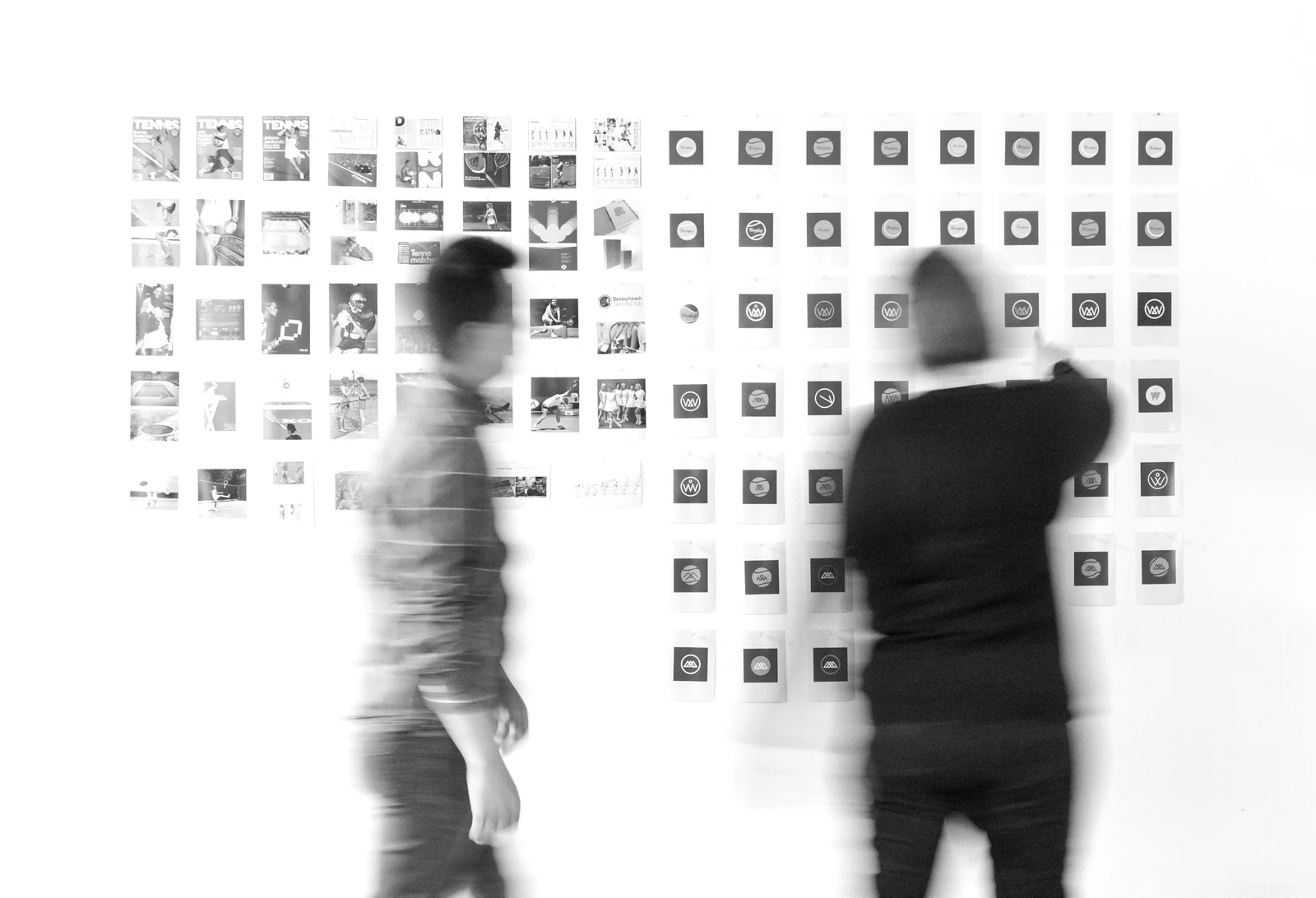
Let the selection reveal a direction
A portfolio offers a reader a first encounter with how you see, make, and think. The selection can create a sense of continuity before a conversation begins. One project establishes a question; another shows how you developed it; a third reveals how that approach works in a different setting.
That is why editing is a creative decision. The aim is to make the practice legible while preserving its character. A good selection leaves someone interested in seeing more and able to explain what drew their attention.
Choose work with a reason
For every project, ask what it demonstrates that the others do not. It might establish the central approach, show an important development, or reveal how the practice works in a different setting. If two projects make the same point, the stronger or more relevant one may be enough.
Do not retain a piece only because it took a long time to make. Equally, do not remove a quieter project simply because it lacks a recognizable client. Self-directed work can be essential evidence of authorship. Its value depends on what it shows, not whether it arrives with a prestigious name attached.
Provide context that changes the reading
A caption should answer the questions needed to understand the project: title, date, medium or format, your role, collaborators, and relevant circumstances. A short account of the intention can help. Long explanations that tell the reader what to admire usually do less.
For collaborative work, make authorship explicit. A film still can look compelling while leaving the reviewer unsure whether you directed, shot, styled, edited, or produced the project. Accurate credits demonstrate professional judgment and allow the right conversation to follow. Distinguish finished, self-initiated, commissioned, and proposed work.
Try a deliberate first edit
Gather the work you are considering and give each project a short note: what it demonstrates, why it belongs now, and what context the reader needs. Group projects that reveal the same strength. Choose the clearest example from each group, then review the sequence as a whole.
For a hypothetical multidisciplinary artist, an installation might establish the central concern, a film could show its development through time, and a small publication could reveal how the same inquiry reaches another audience. The connection is the practice's underlying question. A short introduction can make that connection visible.
Ask a trusted reader to describe the direction they see after viewing the selection. Their account will show which ideas are arriving clearly. Use that information to refine the sequence, captions, or introduction. You remain responsible for the artistic direction; the reader helps you understand how it is being encountered.
Sequence for attention and understanding
Open with a project that introduces the current practice clearly. Follow it with work that deepens or complicates that understanding. Avoid burying the strongest relevant material behind a long biography. A reviewer should be able to encounter the work before being asked to accept a claim about it.
Test the portfolio on a phone as well as a desktop. Check image detail, media controls, captions, and the route between projects. Ask a trusted reader to describe what they think you do and what direction they see. If their answer differs sharply from your intention, investigate the selection and sequence before redesigning the entire website.
Make every project easy to understand
A caption can name the project, date, medium or format, dimensions or duration where relevant, and your role. Add a concise sentence about the context when it changes how the work should be read. For collaborative projects, credit the people whose contributions matter to the presentation.
Check the actual viewing experience on a phone and a larger screen. Images should retain useful detail, video links should be accessible, and the path to the next project should be clear. Keep a current version ready so an invitation can be answered with the same care as a planned application.
The next step is a conversation, not a perfect package
A hypothetical multidisciplinary artist may be torn between presenting every medium separately and showing a few projects that combine them. The better choice depends on what carries the practice. A focused project sequence may reveal a clear inquiry that a menu of disciplines obscures.
Velaharra considers creative work in relation to its professional direction and long-term potential. Portfolio positioning and project development can be part of that discussion, through representation or separately scoped advisory. You do not need to polish away every uncertainty before reaching out. You do need to make the work accessible and the question honest.